

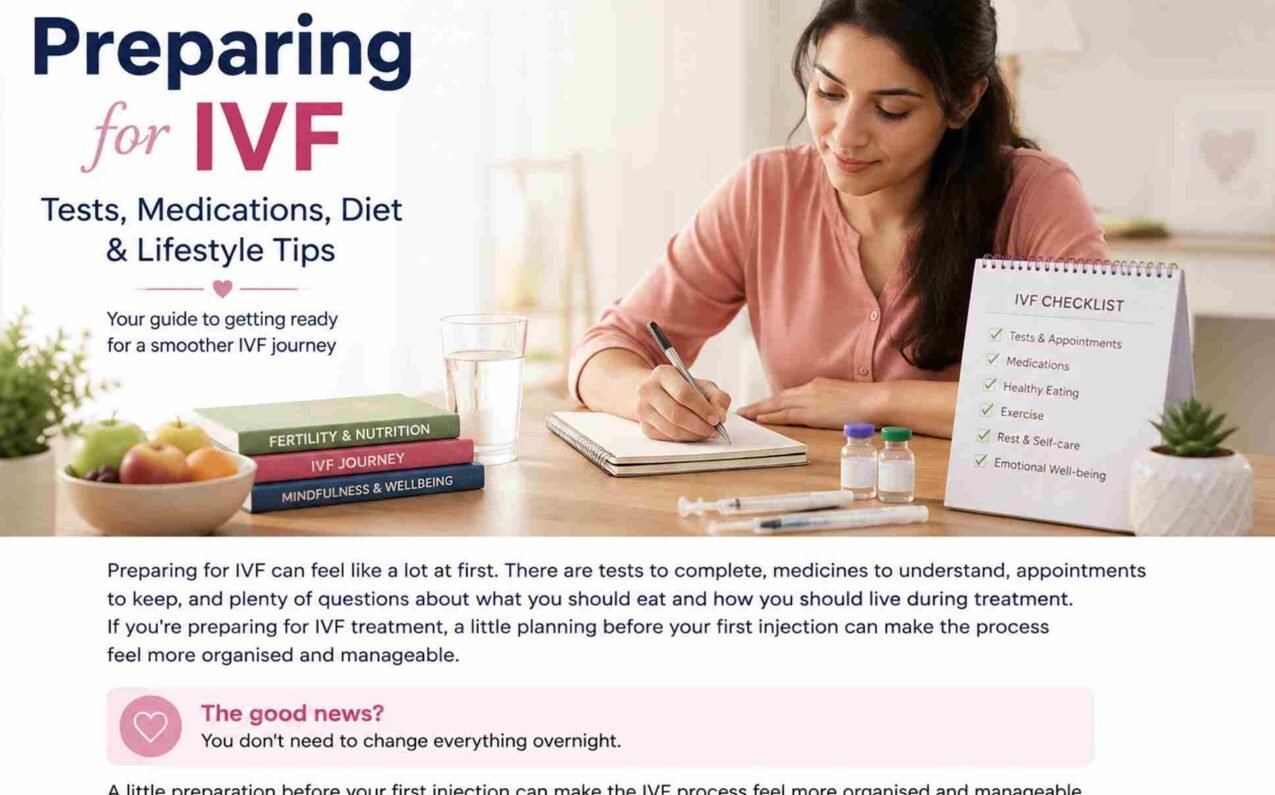
Preparing for IVF can feel like a lot at first. There are tests to complete, medicines to understand, appointments to keep, and plenty of questions about what you should eat and how you should live during treatment. If you’re preparing for IVF treatment, a little planning before your first injection can make the process feel more organised and manageable.
The good news? You don’t need to change everything overnight.
A little preparation before your first injection can make the IVF process feel more organised and manageable. Your fertility specialist will create a plan based on factors such as your age, medical history, ovarian reserve, sperm health, and any previous fertility treatment.
This IVF preparation checklist covers the key things to know and discuss with your fertility team before starting your cycle.
What tests are needed before IVF?
Before starting IVF, your fertility clinic will usually carry out several tests to understand your reproductive health and identify anything that could affect your treatment.
The exact tests depend on your medical history and fertility assessment, but may include:
- Blood tests to check general health and reproductive hormones
- Infection screening for conditions such as HIV, hepatitis B, and hepatitis C
- A pelvic ultrasound to check the uterus and ovaries
- Ovarian reserve testing, when appropriate
- Semen analysis for the male partner
- Genetic testing or other fertility tests when medically indicated
Your doctor may also ask about previous pregnancies, fertility treatments, surgeries, medical conditions, and any medicines or supplements you’re currently taking.
Don’t hesitate to ask why a particular test is recommended. It’s also worth asking how the result could affect your IVF treatment and whether there are additional costs involved.
What medicines are used during IVF?
IVF medicines can seem confusing at first, especially if you’re seeing several different injections and medications for the first time.
Try not to compare your medication schedule with someone else’s. IVF protocols are personalised, so your treatment may look very different from another person’s cycle.
Depending on your protocol, your medicines may be used to:
- Control the timing of ovulation
- Stimulate the ovaries to develop multiple follicles
- Prevent premature ovulation
- Trigger final egg maturation
- Support a healthy uterine lining following egg retrieval or embryo transfer.
For example, some IVF protocols use a trigger injection around 36 hours before egg collection. The exact timing is extremely important.
Your clinic should give you clear instructions about each medicine. If you’re unsure about a dose or timing, contact your fertility team rather than guessing.
Also, tell your doctor about everything you’re taking, including prescription medicines, over-the-counter medicines, vitamins, herbal products, and other supplements.
How Can You Get Your Body Ready Before IVF?
Preparing your body for IVF doesn’t mean following a strict “IVF diet” or completely changing your lifestyle.
Instead, focus on the basics that support your overall health and pregnancy preparation.
Eat a balanced diet
Try to include a variety of:
- Vegetables and fruits
- Whole grains
- Lentils, beans, and other protein sources
- Eggs, fish, poultry, or other suitable proteins
- Nuts and seeds
- Healthy sources of fat, including nuts, seeds, and olive oil
There’s no single food that can guarantee IVF success. Evidence around specific fertility diets is also mixed. Rather than following restrictive diets or relying on “fertility foods,” focus on eating a varied, nutritious diet.
Maintain a healthy weight
If your doctor recommends weight management before IVF, ask what a healthy target looks like for you. Avoid crash diets or rapid weight-loss plans unless specifically advised by your healthcare professional.
Take folic acid as advised
Folic acid is important when preparing for pregnancy. ASRM recommends at least 400 micrograms of folic acid daily for women trying to conceive. Your doctor may recommend a different amount depending on your individual circumstances.
Stay active
Regular, manageable physical activity can be part of a healthy routine before IVF. Your fertility team can advise you about exercise during ovarian stimulation and later stages of treatment.
Prioritise sleep
Aim for a consistent sleep routine and give yourself enough time to rest. IVF can be physically and emotionally demanding, so building healthy routines before treatment can help.
Avoid smoking and recreational drugs
Smoking and recreational drug use can negatively affect reproductive and general health.If you need support to quit, speak with your doctor.
Be careful with alcohol and caffeine
It’s sensible to minimise or avoid alcohol while preparing for pregnancy and follow your fertility team’s advice about caffeine intake.
What should you eat before IVF?
You don’t need a complicated meal plan before IVF.
A simple approach is to eat regular, balanced meals and choose foods that provide a good mix of nutrients.
Good options include:
- Plenty of vegetables and fruit
- Whole grains
- Lentils, beans, and other plant-based proteins
- Protein-rich foods such as eggs, fish, poultry, and other suitable options
- Nuts and seeds
- Healthy fats
- Plenty of water
Try to limit highly processed foods and excessive sugary drinks.
Most importantly, don’t put yourself on an extreme diet just because you’re preparing for IVF. Crash diets, prolonged fasting, and restrictive eating plans aren’t necessary unless your doctor has specifically recommended them.
Food safety also becomes important as you prepare for pregnancy. Ask your fertility team about foods you should avoid based on your treatment plan and local food-safety recommendations.
What should you avoid before IVF?
Preparing for IVF doesn’t mean you have to stop doing everything you enjoy. However, some habits and products are best avoided or limited.
In general:
- Avoid smoking.
- Avoid recreational drugs.
- Follow your doctor’s advice about alcohol.
- Keep caffeine intake moderate as advised by your healthcare professional.
- Don’t start herbal medicines or fertility supplements without discussing them with your doctor.
- Don’t make major changes to your diet or exercise routine without medical advice.
Some herbal products can interact with medicines or may not be suitable during pregnancy, so always tell your fertility team about supplements you’re taking.
Your doctor will also let you know if you need to avoid specific activities during ovarian stimulation, around egg retrieval, or after embryo transfer.
How to Prepare for IVF Egg Retrieval?
Knowing how to prepare for IVF egg retrieval can help you feel more confident and organised on the day. Your preparation will depend on your treatment protocol and whether sedation or anaesthesia is being used.
Your preparation will depend on your treatment protocol and whether sedation or anaesthesia is being used.
Before egg retrieval:
- Take your prescribed medicines exactly as instructed.
- Attend all scheduled ultrasound scans and blood tests.
- Confirm the exact time of your trigger injection.
- Follow your clinic’s fasting instructions.
- Ask which regular medicines you should take or avoid on the day of retrieval.
- Arrange transportation home if you’ll be receiving sedation or anaesthesia.
- Keep your clinic’s contact details handy in case you have questions.
The trigger injection deserves particular attention because its timing is linked to egg maturation and the planned egg collection.
Don’t follow the medication or fasting instructions from someone else’s IVF cycle. Your clinic’s instructions should always take priority.
How can you prepare emotionally for IVF?
IVF preparation isn’t only about injections, scans, and blood tests.
The emotional side of fertility treatment can be just as challenging. You may be balancing appointments with work, managing uncertainty, thinking about finances, or simply feeling anxious about the outcome.
It can help to plan for these things before your cycle starts.
Have an open conversation with your partner or someone you trust about:
- Who will attend appointments
- How you’ll manage work commitments
- How you’ll get to and from procedures
- Who can help with medication reminders
- What kind of emotional support you both need
If you’re feeling overwhelmed, counselling can also help. Ask your fertility clinic whether counselling or other support services are available.
And remember: a healthy lifestyle can support your wellbeing, but it cannot guarantee the outcome of an IVF cycle. A failed cycle is not a sign that you did something wrong.
How to Prepare for IVF Cycle: Your Preparation Checklist
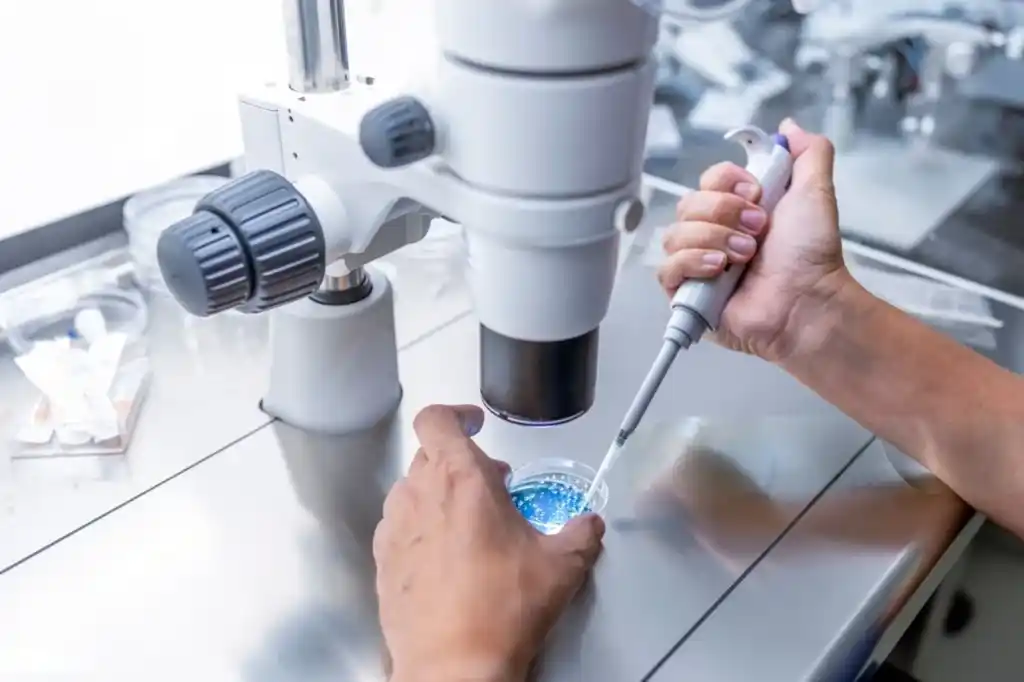
Before starting your IVF cycle, make sure you’ve covered these basics:
- Complete the tests recommended by your fertility specialist.
- Understand your IVF treatment protocol.
- Make sure you understand when to take each medication and how to use it correctly.
- Tell your doctor about all medicines, vitamins, and supplements you’re taking.
- Start folic acid or prenatal supplementation as advised.
- Follow a balanced, nutritious diet.
- Avoid smoking and recreational drugs.
- Follow your healthcare provider’s recommendations on alcohol and caffeine intake.
- Maintain appropriate physical activity.
- Attend all monitoring appointments.
- Confirm the exact timing of your trigger injection.
- Understand your egg retrieval instructions.
- Arrange transportation if sedation or anaesthesia is planned.
- Plan practical and emotional support for the treatment period.
Final takeaway
Preparing for IVF doesn’t have to mean completely changing your life. The goal is to understand your treatment plan, follow your medication instructions carefully, attend your appointments, and maintain healthy everyday habits.
Your fertility specialist will guide the decisions that are specific to your IVF cycle, including which tests you need, which medicines you’ll take, and what restrictions may apply during treatment.
If you’re preparing for your first IVF cycle, speak with the fertility team at Eva Fertility Clinic to understand which tests, medicines, and preparation steps may be appropriate for you.
Medical note: This article is for general education and does not replace advice from a qualified fertility specialist. IVF medicines, tests, supplements, exercise, and dietary requirements should be individualised according to your medical history and treatment protocol.
