
Being told that you have poor egg quality can feel worrying, especially when you are already considering IVF. You may wonder whether IVF can still lead to a healthy pregnancy or whether poor egg quality means your chances are too low.
IVF may still be an option when egg quality is a concern, but the outcome depends on several individual factors. Age, ovarian reserve, sperm quality, embryo development, medical history, and the number of eggs retrieved can all influence IVF outcomes. A fertility evaluation can help your doctor understand your situation and discuss realistic treatment options.
What Does Poor Egg Quality Mean?
Poor egg quality generally refers to eggs with reduced developmental potential. Egg quality can affect fertilization, embryo development, implantation, and the risk of chromosomal abnormalities.
Egg quality is different from ovarian reserve. Ovarian reserve describes the number of eggs remaining in the ovaries. Tests such as AMH and antral follicle count can provide information about ovarian reserve, but they do not directly measure whether an individual egg is genetically normal.
There is also no single routine test that can directly measure egg quality before an IVF cycle. Doctors instead consider factors such as age, ovarian reserve, previous IVF outcomes, embryo development, and medical history when assessing fertility.
The American College of Obstetricians and Gynecologists notes that both the number and quality of eggs decline with age. The decline in fertility becomes more noticeable during the mid-30s and accelerates later in the reproductive years.
Can IVF Work With Poor Egg Quality?
Yes, IVF can still be considered when poor egg quality is suspected, but it cannot guarantee that an egg will fertilize, develop into a viable embryo, or result in pregnancy.
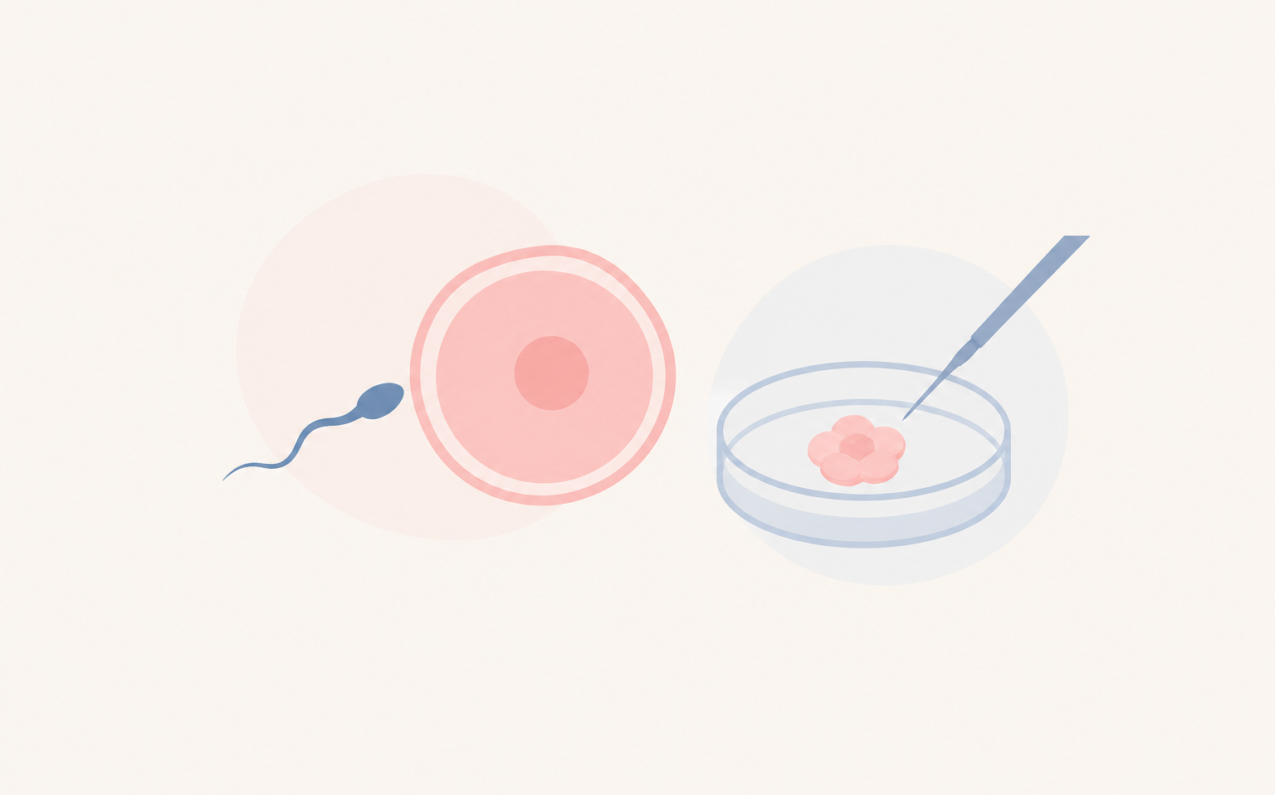
During IVF, several eggs may be collected after ovarian stimulation. The eggs are fertilized with sperm in a laboratory. The resulting embryos are monitored as they develop, and an embryo may then be selected for transfer.
Egg quality matters because an egg contributes half of the genetic material to an embryo. Age-related changes in egg quality are associated with a higher chance of chromosomal abnormalities. These abnormalities can affect embryo development and pregnancy outcomes.
This means that IVF can help with some steps of conception, but it cannot completely overcome age-related changes in the eggs.
How Does Egg Quality Affect IVF?
Egg quality can influence several stages of an IVF cycle.
A healthy egg has the potential to fertilize and support early embryo development. An egg with reduced developmental potential may have difficulty fertilizing or may result in an embryo that stops developing.
Egg quality can therefore influence:
- Fertilization
- Early embryo development
- Blastocyst formation
- Embryo chromosomal health
- Implantation potential
- Risk of miscarriage
Age is an important factor in this process. ACOG explains that as women age, remaining eggs are more likely to have abnormal chromosomes. This is one reason fertility declines with age.
IVF success rates also vary according to factors such as age, infertility diagnosis, previous pregnancy history, treatment type, and egg and sperm quality. CDC data therefore caution that average IVF success rates should not be treated as an individual’s expected outcome.
What Causes Poor Egg Quality?
Age is the most important factor associated with declining egg quality, although other health and reproductive factors can also affect fertility.
Women are born with a finite number of eggs. Both egg number and egg quality decline over time. The decline in egg quality becomes more significant as reproductive age increases.
Other factors may also be relevant depending on the individual, including:
- Endometriosis
- Certain ovarian conditions
- Previous ovarian surgery
- Some medical treatments
- Smoking
- Certain health conditions
- Genetic factors
A fertility evaluation is important because poor egg quality should not be assumed from one test result alone.
For example, a low AMH level primarily provides information about ovarian reserve. It does not directly tell you that every egg has poor quality. ASRM recommends using ovarian reserve testing alongside age and the broader clinical picture rather than treating the test as a standalone measure of reproductive potential.
Can You Improve Egg Quality Before IVF?
There is no proven treatment that can reliably reverse age-related egg quality decline.
A healthy lifestyle can support overall reproductive health. This may include avoiding smoking, limiting alcohol, maintaining a healthy weight, eating a balanced diet, exercising appropriately, and managing existing medical conditions.
These measures are useful for general health, but they should not be presented as a guaranteed way to improve egg quality or IVF success.
Some clinics offer supplements or additional treatments marketed for egg quality. The evidence for many of these approaches varies, so patients should discuss them with a fertility specialist before starting any supplement or add-on treatment.
The most useful step is often a timely fertility evaluation. This allows the doctor to consider age, ovarian reserve, previous treatment history, reproductive health, and the fertility factors affecting both partners.
What Can a Fertility Specialist Do If Egg Quality Is a Concern?
A fertility specialist can assess the wider fertility picture rather than focusing on egg quality alone.
An evaluation may include:
- Medical and reproductive history to identify factors that may affect fertility.
- Ovarian reserve assessment using tests such as AMH and antral follicle count.
- Ultrasound evaluation to assess the ovaries and uterus.
- Hormonal testing when clinically appropriate.
- Semen analysis because male factors can also contribute to infertility.
- Review of previous IVF cycles if treatment has already been attempted.
ASRM recommends evaluating both partners when applicable and assessing ovulation, reproductive anatomy, tubal factors, and semen parameters as part of an infertility evaluation.
The results can help your specialist decide whether IVF is appropriate and whether any part of the treatment plan needs to be adjusted.
What If IVF Does Not Produce Good-Quality Embryos?
A cycle that produces few or no usable embryos can be emotionally difficult. It does not automatically mean that future treatment will have the same outcome.
Your fertility specialist may review factors such as:
- Number of eggs retrieved
- Egg maturity
- Fertilization results
- Sperm quality
- Embryo development
- Age
- Ovarian reserve
- Previous treatment protocols
- Other reproductive or medical factors
CDC guidance emphasizes that ART outcomes vary between individuals and that egg quality, sperm quality, age, infertility diagnosis, and other factors can all influence results.
For some patients, the discussion may also include alternatives such as donor eggs. Donor-egg IVF is a different treatment pathway and should be considered based on the individual’s medical circumstances and preferences.
When Should You See a Fertility Specialist?
Consider a fertility evaluation sooner rather than later if you have been told that egg quality may be a concern, particularly if you are over 35 or have already experienced difficulty conceiving.
ACOG recommends infertility evaluation after 6 months of trying to conceive for women older than 35. For women older than 40, evaluation is recommended before trying to conceive or promptly when pregnancy is desired.
An earlier evaluation may also be appropriate when there is a known condition that could affect fertility, such as endometriosis or a history of ovarian problems.
At EVA Fertility, a fertility specialist can review your individual fertility history and discuss appropriate testing and treatment options. EVA provides IVF and other fertility services in Chennai, including locations in Madipakkam, Adyar, Mannadi, and OMR/Thoraipakkam.
Frequently Asked Questions
Can one poor-quality egg still result in a healthy pregnancy?
Yes, pregnancy can occur if a viable egg develops into a healthy embryo. IVF may allow doctors to retrieve multiple eggs, which can provide more opportunities for fertilization and embryo development. The outcome varies from person to person.
Can poor egg quality cause IVF embryos to stop developing?
Yes. Egg quality can influence early embryo development. Some embryos may stop developing before reaching the blastocyst stage. Sperm quality and embryo chromosome status can also contribute to embryo development.
Is poor egg quality the same as having fewer eggs?
No. Egg quantity and egg quality are different factors. Ovarian reserve tests can estimate the number of eggs remaining, but they do not directly determine the genetic quality of individual eggs.
Can IVF help if only a small number of eggs are retrieved?
IVF can still be considered when only a few eggs are retrieved. The number of eggs does not determine the outcome by itself. Egg maturity, fertilization, embryo development, age, and other fertility factors also matter.
Does a previous failed IVF cycle mean my egg quality is poor?
Not necessarily. An unsuccessful IVF cycle can have several possible explanations. Your specialist may review egg maturity, fertilization, embryo development, sperm factors, ovarian response, and other factors before determining what may have affected the cycle.
Can egg quality affect miscarriage risk?
Egg quality can be associated with embryo chromosomal abnormalities, and chromosomal abnormalities are an important cause of early pregnancy loss. Age-related changes in egg chromosomes can increase this risk.
Can poor egg quality affect embryo implantation?
It can. Egg quality contributes to embryo development and chromosomal health, which can influence the likelihood that an embryo continues developing after transfer. Uterine and other factors can also affect implantation.
Does a high AMH level mean my eggs are good quality?
No. AMH mainly provides information about ovarian reserve and expected response to ovarian stimulation. It does not directly measure the genetic quality of individual eggs.
Is IVF worth considering after repeated poor embryo development?
Repeated poor embryo development deserves a detailed review with a fertility specialist. The doctor may examine the pattern across previous cycles, including egg number, egg maturity, fertilization, sperm parameters, embryo development, and age, before discussing further options.
Can donor eggs be an option when egg quality is a major concern?
Donor eggs may be discussed in some situations where using a patient’s own eggs is unlikely to provide a reasonable treatment pathway. Whether this option is appropriate depends on individual medical circumstances, preferences, and applicable regulations.
Does freezing eggs preserve their quality?
Egg freezing preserves eggs at the age when they are frozen. It does not make the eggs younger or improve their quality after freezing. For this reason, the age at which eggs are frozen is an important consideration.
What is the first step if I have been told I have poor egg quality?
The first step is a consultation with a fertility specialist. Your doctor can review your age, ovarian reserve, previous fertility treatment, reproductive history, and other factors before discussing whether IVF or another approach may be appropriate.
Take the Next Step With a Fertility Specialist
Poor egg quality does not automatically mean that IVF is impossible. It does mean that treatment planning should be based on a careful assessment of your age, ovarian reserve, reproductive history, and other fertility factors.
If you have been told that you have poor egg quality or have experienced an unsuccessful IVF cycle, an individual fertility consultation can help you understand your options and set realistic expectations.
Speak with the fertility specialists at EVA Fertility to discuss your fertility assessment and treatment options.
