


Minimally Invasive Surgical Care With Your Fertility Goals in Mind
Laparoscopy is a minimally invasive procedure used to diagnose and treat certain conditions affecting the uterus, ovaries, fallopian tubes and pelvic area. For women experiencing unexplained infertility, endometriosis, ovarian cysts, fibroids, pelvic adhesions or selected tubal conditions, laparoscopy treatment Chennai may help provide a clearer understanding of the underlying condition and guide appropriate treatment.
At EVA IVF & Women’s Centre, we take a fertility-focused approach to laparoscopic care. Our specialists assess your symptoms, medical history, fertility goals and investigation reports before recommending surgery. When clinically appropriate, fertility laparoscopy can help diagnose and treat selected pelvic conditions while keeping your reproductive goals in consideration. With experienced fertility specialists, personalized treatment planning and comprehensive fertility services, EVA IVF & Women’s Centre provides patient-focused care for women considering laparoscopy treatment in Chennai.
- Experienced fertility specialists
- Fertility-focused surgical care
- Personalized treatment planning
- Advanced approach to reproductive care
- Comprehensive fertility services
- Compassionate patient support
- Convenient care for patients across Chennai
What Is Laparoscopy and Who Can Benefit From It?
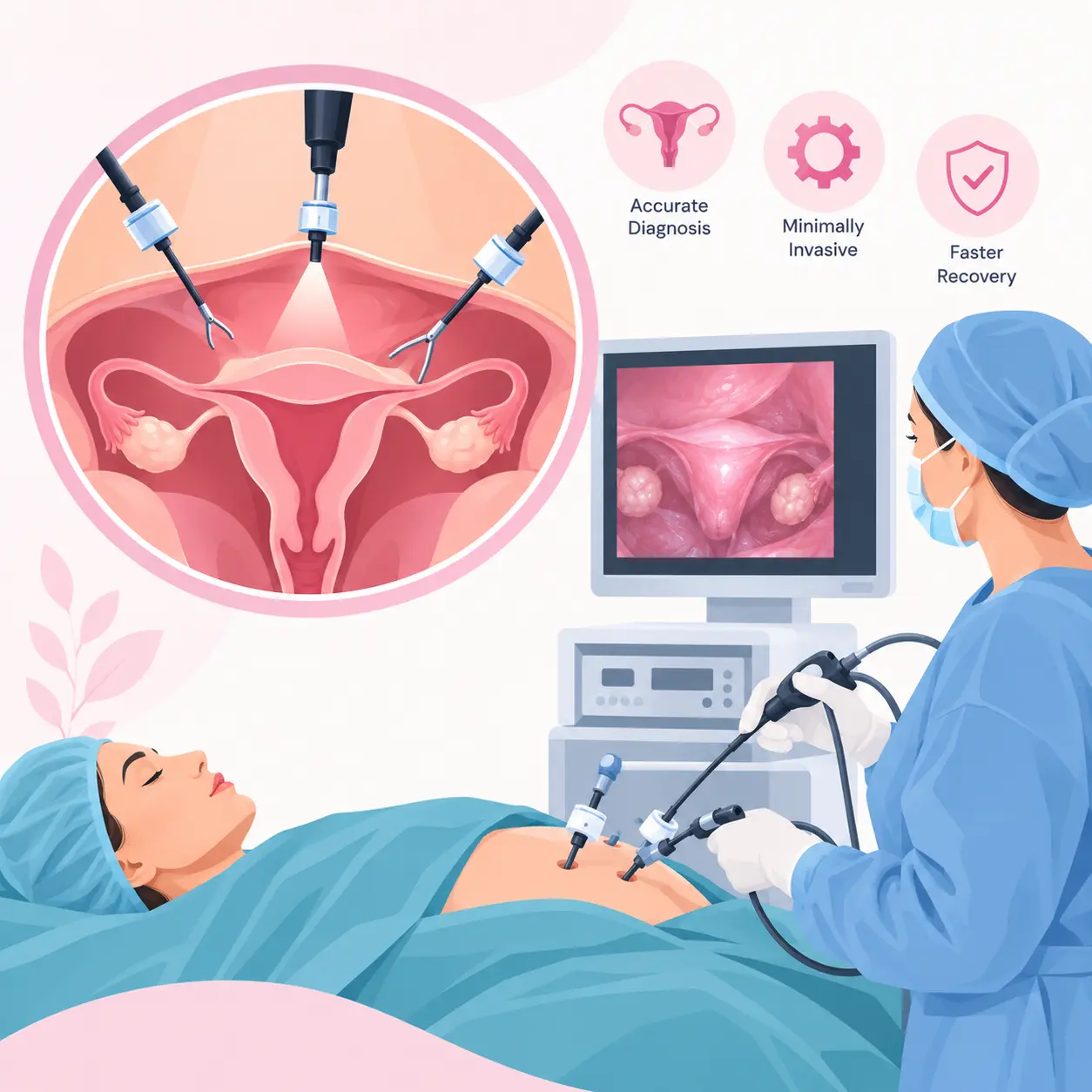
Laparoscopy is a minimally invasive surgical technique used to examine and, when appropriate, treat conditions affecting the abdomen and pelvis.
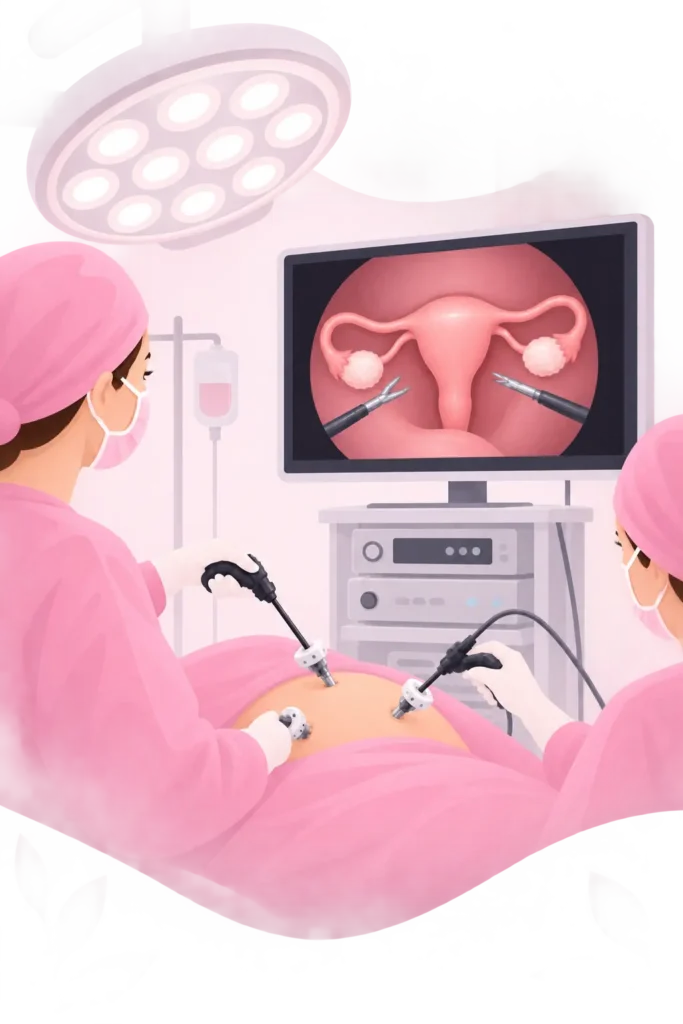
Instead of using a large surgical incision, the procedure is performed through small incisions. A thin camera called a laparoscope provides a clear view of the pelvic organs, allowing the specialist to assess conditions that may not always be identified through routine investigations.
Depending on the patient's condition, laparoscopy may be performed for:
- Diagnosis of pelvic conditions
- Treatment of selected reproductive health conditions
- Assessment of possible causes of infertility
- Evaluation of pelvic pain or other symptoms
When laparoscopic surgery for infertility is being considered, your specialist will first determine whether there is a condition that may benefit from surgical evaluation or treatment.
Who May Be Recommended for Laparoscopy?
Laparoscopy may be considered for patients with:

Unexplained
infertility
Suspected or diagnosed endometriosis

Ovarian
cysts

Certain
fibroids

Pelvic
adhesions

Fallopian tube
disorders

Chronic
pelvic pain

Previous ectopic
pregnancy

Other pelvic conditions requiring direct evaluation

Not every woman experiencing infertility needs laparoscopy. Your specialist will consider your symptoms, fertility history, investigations and overall health before recommending a procedure.
Conditions Diagnosed and Treated Using Laparoscopy
Laparoscopy can provide direct visualization of the pelvic organs and, in selected cases, allow diagnosis and treatment during the same procedure.
Symptoms:
Endometriosis may be associated with painful periods, pelvic pain, pain during intercourse or difficulty conceiving. Some women may experience few noticeable symptoms.
How laparoscopy may help:
Laparoscopy allows the specialist to directly examine the pelvic area for visible endometriosis. When appropriate, affected areas may also be treated surgically during the procedure.
Symptoms:
Some ovarian cysts do not cause symptoms, while others may be associated with pelvic discomfort, menstrual changes or fertility concerns.
How laparoscopy may help:
Selected ovarian cysts may be treated through a minimally invasive procedure when surgery is considered appropriate. The recommended approach depends on the characteristics of the cyst and the patient's fertility goals.
Symptoms:
Fibroids may cause heavy menstrual bleeding, pelvic pressure, pain or, in some cases, reproductive difficulties.
How laparoscopy may help:
Certain fibroids may be suitable for laparoscopic treatment depending on their size, number, location and the patient's clinical circumstances.
Symptoms:
Pelvic adhesions can develop following previous surgery, infection, endometriosis or other pelvic conditions. They may sometimes be associated with pelvic pain or fertility problems.
How laparoscopy may help:
Laparoscopy can help identify pelvic adhesions directly and, in selected cases, allow the surgeon to release them.
Symptoms:
Problems affecting the fallopian tubes may contribute to difficulty conceiving and can sometimes occur without obvious symptoms.
How laparoscopy may help:
Laparoscopy can provide direct visualization of the pelvic organs and help assess certain tubal conditions. Additional treatment may be performed where clinically appropriate.
Symptoms:
An ectopic pregnancy may cause pelvic or abdominal pain, vaginal bleeding or other symptoms and requires prompt medical assessment.
How laparoscopy may help:
When surgical treatment is required, selected ectopic pregnancy cases may be managed laparoscopically depending on the patient's clinical condition.
What to Expect Before, During and After Laparoscopic Surgery
Understanding each stage can help you feel more prepared for your treatment journey.
Before Surgery
- Your specialist will begin with a detailed consultation covering:
- Medical and fertility history
- Previous surgeries and treatments
- Current symptoms
- Fertility goals
- Relevant investigation reports
- Blood tests and imaging, where required
- Anaesthesia assessment
- You will also receive instructions about fasting, medication and other pre-operative requirements.
During the Procedure
Laparoscopic surgery is generally performed under general anaesthesia.
The surgeon makes small incisions through which the laparoscope and surgical instruments are introduced. The camera provides a magnified view of the pelvic area, allowing the specialist to examine the reproductive organs.
Where appropriate, the identified condition may also be treated during the same procedure.
After Surgery
After the procedure, you will be monitored in the recovery area.
Your care team will provide guidance about:
- Pain management
- Wound care
- Medication, if prescribed
- Activity and rest
- Recovery expectations
- Follow-up appointments
- Symptoms that require medical attention
- Recovery can vary depending on the procedure performed and your individual health.
Fertility Planning After Recovery
Surgery is only one part of the fertility journey. Your next step depends on your diagnosis, age, fertility history and overall reproductive health.
- Your specialist may discuss:
- Natural conception
- Ovulation induction
- IUI
- IVF
- ICSI
- The aim is to create a treatment pathway based on your individual fertility needs.
Benefits of Laparoscopic Surgery
When clinically appropriate, laparoscopic surgery can offer several advantages.
Smaller Incisions
Laparoscopic procedures use small incisions rather than the larger incision required for some traditional surgeries.
Better Visualization
The laparoscope provides a magnified view of the pelvic organs, helping the surgeon assess specific conditions.
Less Tissue Disruption
The minimally invasive approach may involve less tissue disruption than some conventional surgical techniques.
Recovery in Suitable Patients
Patients may experience a shorter recovery period compared with traditional open surgery, although recovery varies depending on the procedure and individual patient.
Diagnosis and Treatment Together
In selected cases, the specialist can identify a condition and treat it during the same surgical procedure.
Supports Fertility Planning
When a surgically treatable pelvic condition is contributing to fertility concerns, treatment may help inform the next stage of fertility planning.
Why Choose EVA IVF & Women's Centre for Laparoscopy Treatment in Chennai?
Choosing a centre for laparoscopy treatment Chennai is about more than the surgical procedure. You need a team that understands both your medical condition and your reproductive goals.

Experienced Fertility Specialists
Our fertility specialists bring experience in evaluating and managing a wide range of reproductive health and fertility concerns. This allows surgical decisions to be considered within your broader fertility care.

Fertility-Focused Surgical Care
Fertility laparoscopy is approached with consideration for your reproductive goals. When surgery is recommended, the focus is not simply on treating a condition but also on understanding how the diagnosis may influence your fertility journey.

Advanced Surgical Care
Our approach combines specialist-led fertility care with modern reproductive treatment options and structured clinical protocols.

Personalized Treatment Plans
Every patient has a different medical history, fertility profile and treatment goal. Your treatment plan is based on your clinical assessment, symptoms and investigation results.

Comprehensive Fertility Services Under One Roof
From fertility evaluation and diagnosis to treatment and follow-up, EVA provides a comprehensive fertility care pathway.

Compassionate Patient Care
We understand that fertility treatment and surgery can feel overwhelming. Our team focuses on clear communication, guidance and follow-up so you understand your treatment and available options.

Trusted Women's Healthcare Centre
Our approach emphasizes patient education, transparent communication, ethical practices and evidence-based fertility care.

Gynec Laparoscopy Chennai With a Fertility-Focused Approach
Patients searching for gynec laparoscopy Chennai need more than access to surgery. They need appropriate diagnosis, careful treatment planning and guidance about what comes next. At EVA IVF & Women’s Centre, gynecological laparoscopic care can be considered alongside your wider reproductive health and fertility needs.
Laparoscopy Treatment Cost in Chennai
The cost of laparoscopy treatment Chennai can vary because the procedure and level of care are different for every patient.
- The overall cost may depend on:
- Diagnostic or operative laparoscopy
- Condition being treated
- Complexity of the procedure
- Investigations required
- Anaesthesia
- Hospital and surgical requirements
- Additional procedures, where necessary
- Follow-up care
- Rather than providing a single cost that may not apply to your situation, our team can assess your condition and explain the expected treatment requirements.
Is Laparoscopy Safe?
Benefits and Safety
Laparoscopy is a commonly used minimally invasive surgical approach. However, suitability depends on the patient's medical condition and the type of procedure required. Before recommending surgery, your specialist will review your medical history, symptoms, investigation results and overall health.
Possible Risks
As with any surgical procedure, laparoscopy has potential risks. These may include bleeding, infection, anaesthesia-related reactions or injury to surrounding organs. The specific risks depend on the procedure and your individual circumstances. Your specialist will discuss the relevant benefits, risks and alternatives before surgery.
Who Requires Additional Evaluation?
Additional assessment may be recommended for patients with:
- Significant previous abdominal or pelvic surgeries
- Complex medical conditions
- Previous surgical complications
- Conditions requiring specialized surgical planning
- Other health concerns identified during evaluation
- Your suitability for surgery should always be assessed individually.
Frequently Asked Questions
Laparoscopy treatment refers to the use of minimally invasive laparoscopic techniques to diagnose and, where appropriate, treat certain conditions affecting the abdomen and pelvis.
Laparoscopic surgery for infertility may be considered when your specialist suspects a pelvic condition contributing to infertility, particularly when routine fertility investigations have not fully explained difficulty conceiving.
No. Laparoscopy is not required for every woman experiencing infertility. Your specialist will consider your symptoms, fertility history, investigations and clinical findings before recommending surgery.
Yes. Laparoscopy allows the specialist to directly examine the pelvic area for visible endometriosis. Treatment may also be possible during the same procedure when clinically appropriate.
Laparoscopy can help assess certain tubal and pelvic conditions. Whether a blocked tube can be treated surgically depends on the location and extent of the blockage and the individual clinical situation.
Selected ovarian cysts can be treated or removed laparoscopically when surgery is appropriate. The recommended approach depends on the type, size and characteristics of the cyst.
Certain fibroids may be suitable for laparoscopic surgery. Suitability depends on factors such as size, number, location and the patient's overall reproductive health.
The procedure is performed under anaesthesia, so you should not feel the surgery itself. Some abdominal soreness or temporary discomfort may occur during recovery.
Laparoscopic surgery is generally performed under general anaesthesia. Your anaesthesia team will assess your health and explain the relevant preparation.
The duration varies depending on whether the procedure is diagnostic or operative and the condition being treated. Your specialist can provide a more specific estimate after evaluating your case.
Book Your Laparoscopy Consultation in Chennai
If you are experiencing unexplained infertility, pelvic pain, endometriosis, ovarian cysts or another reproductive health concern, getting the right diagnosis can be an important first step.
At EVA IVF & Women’s Centre, our specialists take time to understand your medical history, fertility goals and individual concerns before recommending treatment. If gynec laparoscopy Chennai is appropriate for your condition, our team can help you understand the procedure, recovery and possible fertility options after treatment.
Book a consultation with EVA IVF & Women’s Centre and take the next step with a fertility-focused team you can trust.