
Many women expect pregnancy to happen within a few months of trying. For some couples, conception takes longer than expected. Female infertility can result from several medical, hormonal, and lifestyle-related factors. Understanding the most common female infertility causes can help women seek timely diagnosis and treatment.
According to the World Health Organization (WHO), infertility affects millions of couples worldwide. Identifying the cause early can improve treatment outcomes and help women make informed decisions about their reproductive health.
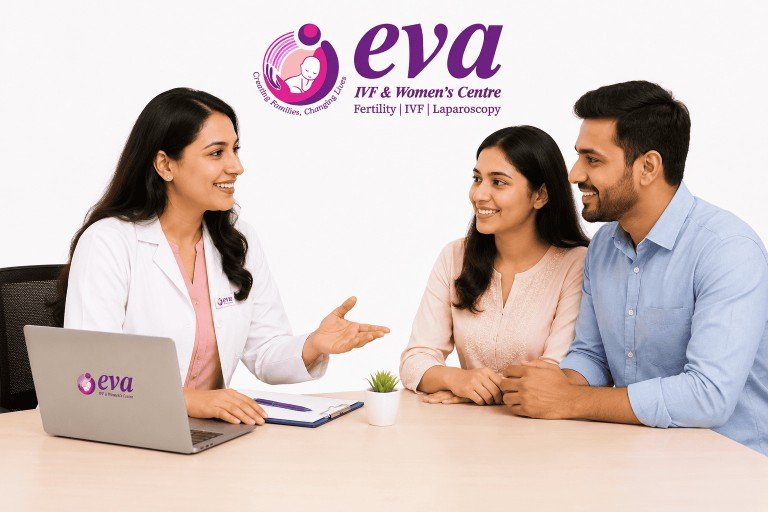
At EVA IVF and Women’s Centre, Chennai, fertility specialists evaluate the underlying causes of infertility and recommend personalized treatment plans based on each patient’s condition.


What Is Female Infertility?
Female infertility refers to the inability to achieve pregnancy after regular unprotected intercourse for a specific period.
Women under the age of 35 are generally advised to seek fertility evaluation after 12 months of trying to conceive. Women aged 35 and above should consult a fertility specialist after 6 months of unsuccessful attempts.
Common female infertility symptoms may include irregular menstrual cycles, missed periods, painful periods, or difficulty conceiving despite regular unprotected intercourse.
Infertility may occur due to problems involving:
- Ovulation
- Fallopian tubes
- Uterus
- Ovaries
- Hormones
- Egg quality
- Reproductive health conditions
A proper diagnosis helps determine the exact cause and suitable treatment approach. Identifying the underlying female infertility causes is essential for selecting the most effective treatment approach.
What Is the Most Common Cause of Female Infertility?
Many women wonder about the most common cause of female infertility, and ovulation-related disorders are among the leading contributors.
Problems with ovulation are among the most frequent reasons women experience difficulty conceiving
Ovulation is the process in which an ovary releases a mature egg each month. Pregnancy becomes difficult when ovulation occurs irregularly or does not occur at all.
Common ovulation-related conditions include:
- Polycystic Ovary Syndrome (PCOS)
- Thyroid disorders
- Hyperprolactinemia
- Premature ovarian insufficiency
- Hormonal imbalances
Women with ovulation disorders often experience:
- Irregular periods
- Missed periods
- Very light periods
- Difficulty predicting fertile days
Early treatment can often restore ovulation and improve the chances of conception.
How Does PCOS Affect Fertility?
Polycystic Ovary Syndrome (PCOS) is one of the leading causes of infertility among women of reproductive age.
PCOS affects hormone production and can interfere with regular ovulation. Many women with PCOS develop multiple small follicles in the ovaries that do not mature properly.
Common symptoms of PCOS include:
- Irregular menstrual cycles
- Weight gain
- Acne
- Excess facial or body hair
- Difficulty getting pregnant
Research indicates that PCOS affects approximately 8% to 13% of women worldwide.
Treatment options may include:
- Lifestyle modifications
- Weight management
- Ovulation induction medications
- IUI
- IVF treatment
Many women with PCOS successfully achieve pregnancy with appropriate fertility care.
Can Endometriosis Cause Female Infertility?
Yes. Endometriosis can significantly affect fertility.
Endometriosis develops when tissue resembling the lining of the uterus grows in areas outside the uterus. This condition can affect the ovaries, fallopian tubes, and surrounding pelvic structures.
Endometriosis may contribute to infertility by:
- Causing inflammation
- Damaging reproductive organs
- Affecting egg quality
- Creating pelvic adhesions
- Blocking normal egg transport
Symptoms often include:
- Painful periods
- Pelvic pain
- Pain during intercourse
- Heavy menstrual bleeding
Some women with endometriosis experience infertility even without severe symptoms.
Early diagnosis and fertility-focused treatment can improve reproductive outcomes.
How Do Blocked Fallopian Tubes Affect Pregnancy?
For pregnancy to occur naturally, the fallopian tubes must be healthy and unobstructed.
After ovulation, the egg travels through the fallopian tube where fertilization usually occurs. A blockage in the fallopian tube can stop the egg and sperm from coming together for fertilization.
Common causes of blocked fallopian tubes include:
- Pelvic inflammatory disease (PID)
- Previous pelvic surgery
- Endometriosis
- Sexually transmitted infections
- Tubal damage from infections
Women often do not experience noticeable symptoms.
Diagnostic tests may include:
- Hysterosalpingography (HSG)
- Ultrasound scanning
- Laparoscopy
Depending on the extent of blockage, fertility specialists may recommend surgical correction or IVF treatment.
How Does Age Affect Female Fertility?
Age has a major impact on female fertility.
With advancing age, both egg quality and ovarian reserve decline, which can affect the likelihood of achieving pregnancy.
Key fertility milestones include:
| Age Group | Fertility Trend |
| Under 30 | Highest fertility potential |
| 30–34 | Slight decline |
| 35–39 | Noticeable decline |
| 40+ | Significant decline |
Every woman is born with a limited egg supply, which gradually decreases throughout her reproductive years.
Age-related fertility decline may increase the risk of:
- Reduced conception rates
- Miscarriage
- Chromosomal abnormalities
Fertility assessment becomes increasingly important after age 35.
Can Uterine Conditions Cause Infertility?
Certain uterine conditions can interfere with implantation and pregnancy.
Common uterine conditions associated with infertility include:
- Uterine fibroids
- Endometrial polyps
- Congenital uterine abnormalities
- Scar tissue within the uterus
These conditions may affect:
- Embryo implantation
- Blood supply to the uterus
- Pregnancy maintenance
Symptoms may include:
- Heavy periods
- Pelvic discomfort
- Irregular bleeding
Advanced imaging and fertility evaluation help identify these conditions and determine suitable treatment options.
What Is the Diagnosis of Infertility in Females?
Accurate diagnosis of infertility in females is the first step toward successful fertility treatment.
A fertility evaluation may include:
Medical History Review
Specialists assess:
- Menstrual history
- Previous pregnancies
- Lifestyle factors
- Existing medical conditions
Hormone Testing
Blood tests may evaluate:
- AMH
- FSH
- LH
- Thyroid hormones
- Prolactin levels
Ultrasound Examination
Ultrasound helps assess:
- Ovarian reserve
- Uterine structure
- Follicle development
Fallopian Tube Assessment
Tests such as HSG help determine whether the tubes are open and functioning normally.
A complete evaluation provides a clear understanding of infertility problems in females and supports an accurate diagnosis of infertility in females, helping guide treatment decisions.
When Should You Seek Fertility Treatment?
Seeking medical advice early can improve fertility outcomes.
Consult a fertility specialist if:
- You are under 35 and have been trying for 12 months without success.
- You are over 35 and have been trying for 6 months without success.
- You have irregular periods.
- You have PCOS or endometriosis.
- You have experienced recurrent miscarriages.
- You have undergone pelvic surgery.
- You have known reproductive health concerns.
Early intervention often expands treatment options and may improve success rates. Understanding the various female infertility causes can help women make informed decisions about their reproductive health and fertility treatment options.
Take the Next Step Toward Parenthood
Female infertility can result from several different causes. These female infertility causes may vary from one individual to another and often require personalized evaluation. Ovulation disorders, PCOS, endometriosis, blocked fallopian tubes, age-related changes, and uterine conditions are among the most common factors.
Advances in fertility medicine have enabled millions of couples worldwide to successfully build their families. A timely diagnosis is often the first step toward finding the right solution.
At EVA IVF and Women’s Centre, Chennai, our fertility specialists provide comprehensive fertility evaluations and personalized treatment plans designed around your individual needs.
Book a consultation today to understand your fertility health and explore the best options for building your family.
Frequently Asked Questions
Women under 35 should consider a fertility evaluation after 12 months of trying to conceive without success. Women aged 35 and above should seek medical advice after 6 months of unsuccessful attempts.
Many causes of female infertility can be managed with medication, lifestyle changes, minimally invasive procedures, IUI, IVF, or other assisted reproductive techniques depending on the diagnosis.
Not always. Regular periods often indicate ovulation, but conditions affecting egg quality, fallopian tubes, or the uterus may still impact fertility.
Stress may affect hormone levels and ovulation patterns. It is rarely the sole cause of infertility, but it can contribute to fertility challenges in some women.
Yes. Many women can conceive naturally with one healthy and functioning fallopian tube if ovulation and sperm quality are normal.
Yes. Body weight can influence hormone production and ovulation. Maintaining a healthy weight may improve the chances of conception.
Yes. Fertility varies among individuals. Some women may experience reduced ovarian reserve or egg quality earlier due to genetic, medical, or lifestyle factors.
No. Fertility treatments are personalized. Some women may benefit from simple treatments, while others may require advanced reproductive technologies.
Women can support fertility by maintaining a healthy weight, eating a balanced diet, exercising regularly, managing stress, avoiding smoking, limiting alcohol intake, and attending routine gynecological checkups.
No. Birth control pills do not cause infertility. Fertility usually returns after discontinuing contraceptive use, although underlying fertility issues may become noticeable afterward.
You can contact EVA IVF and Women’s Centre through phone, WhatsApp, or the online appointment form to schedule a fertility assessment and consultation with a fertility specialist.
Common female infertility symptoms may include irregular periods, absent periods, pelvic pain, painful menstruation, hormonal imbalances, and difficulty becoming pregnant after several months of trying.